
Get your knowladge about Yala national park
Yala National Park – Complete Visitor Guide
Introduction
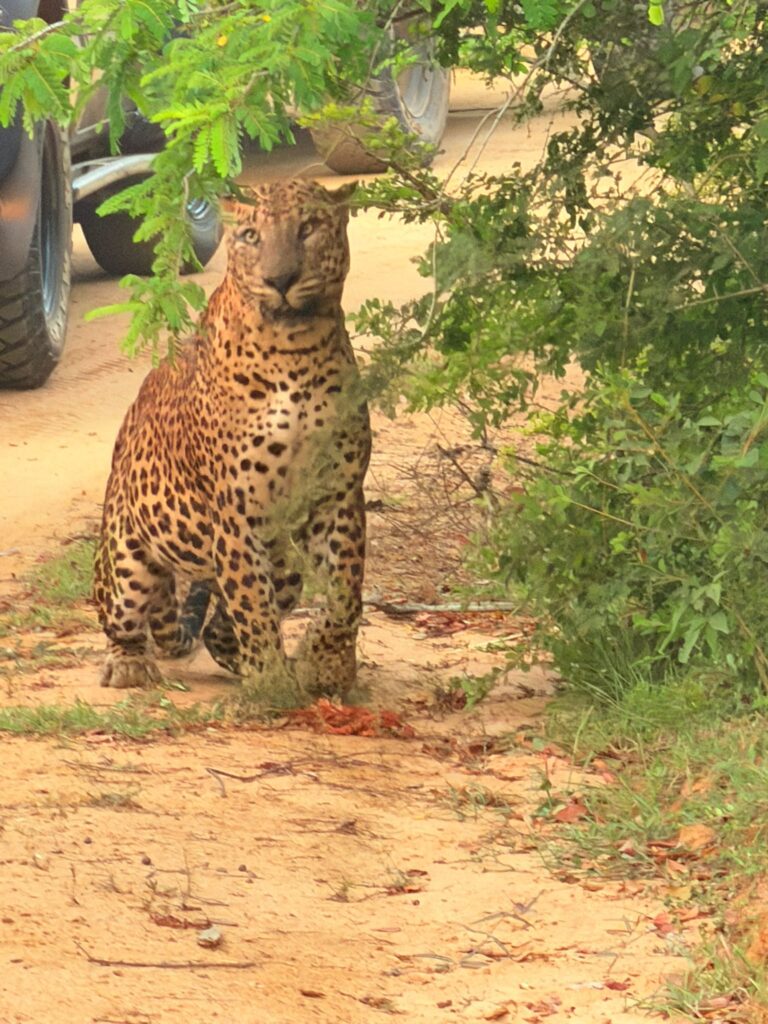
Yala National Park is Sri Lanka’s most famous wildlife destination, located in the southeastern region of the island. Renowned for having one of the highest densities of leopards in the world, Yala offers an unforgettable safari experience surrounded by diverse landscapes, rich biodiversity, and untouched natural beauty. The park combines dry forests, open grasslands, lagoons, and coastal ecosystems, making it a unique habitat for a wide range of wildlife.
Location & Zone
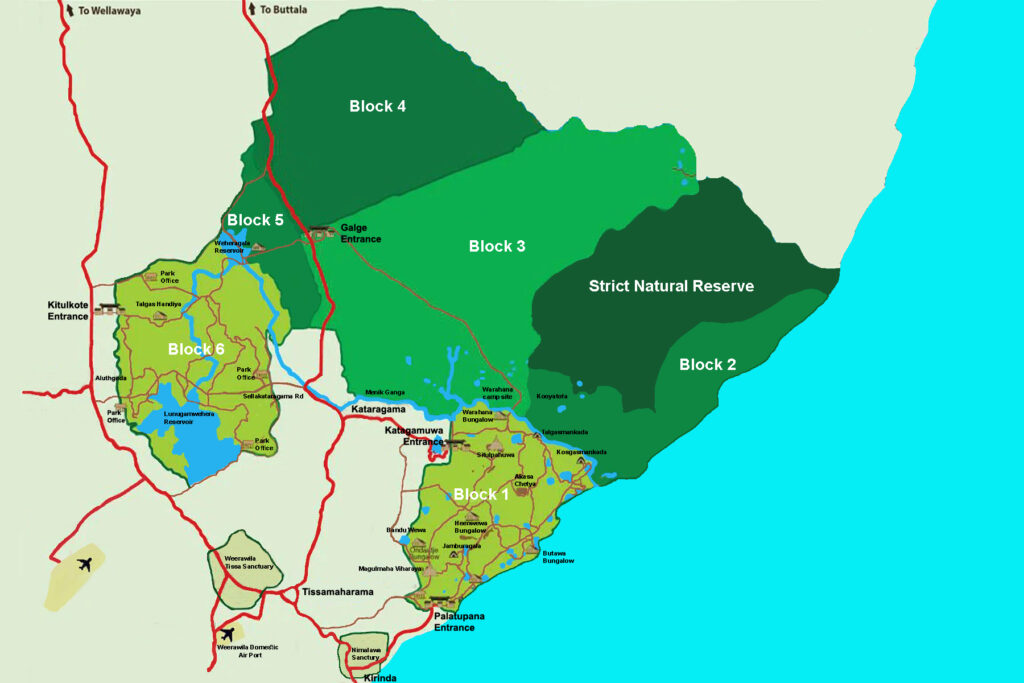
Yala National Park is situated in the Southern and Uva Provinces of Sri Lanka, bordering the Indian Ocean. The park is divided into several zones (Blocks), with Block 1 being the most popular for safaris due to its high concentration of wildlife.
Distance from Colombo: approx. 300 km
Nearest town: Tissamaharama
Main entrance: Palatupana Gate
Terrain (Landscape)
Yala’s terrain is highly diverse, offering a mix of natural environments that support different animal species.
Dry Monsoon Forests – Dense vegetation with tall trees and shrubs
Open Grasslands – Ideal for spotting elephants, deer, and predators
Rocky Outcrops – Provide shelter and viewpoints for leopards
Lagoons & Waterholes – Attract birds, crocodiles, and large mammals
Coastal Belt – Sandy beaches and dunes along the Indian Ocean
This variation in terrain makes every safari drive unique and exciting.
Weather Condition
Yala lies within Sri Lanka’s dry zone, experiencing warm temperatures throughout the year.
Average Temperature: 26°C – 32°C
Dry Season: May to September (hot and dry)
Rainy Season: October to January (inter-monsoon rains)
Humidity: Moderate to high
Early mornings and late afternoons are cooler and ideal for safari activities.
Flora and Fauna
Yala National Park is a biodiversity hotspot, home to a remarkable variety of plant and animal species.
Wildlife (Fauna)
Leopards – Yala is world-famous for leopard sightings
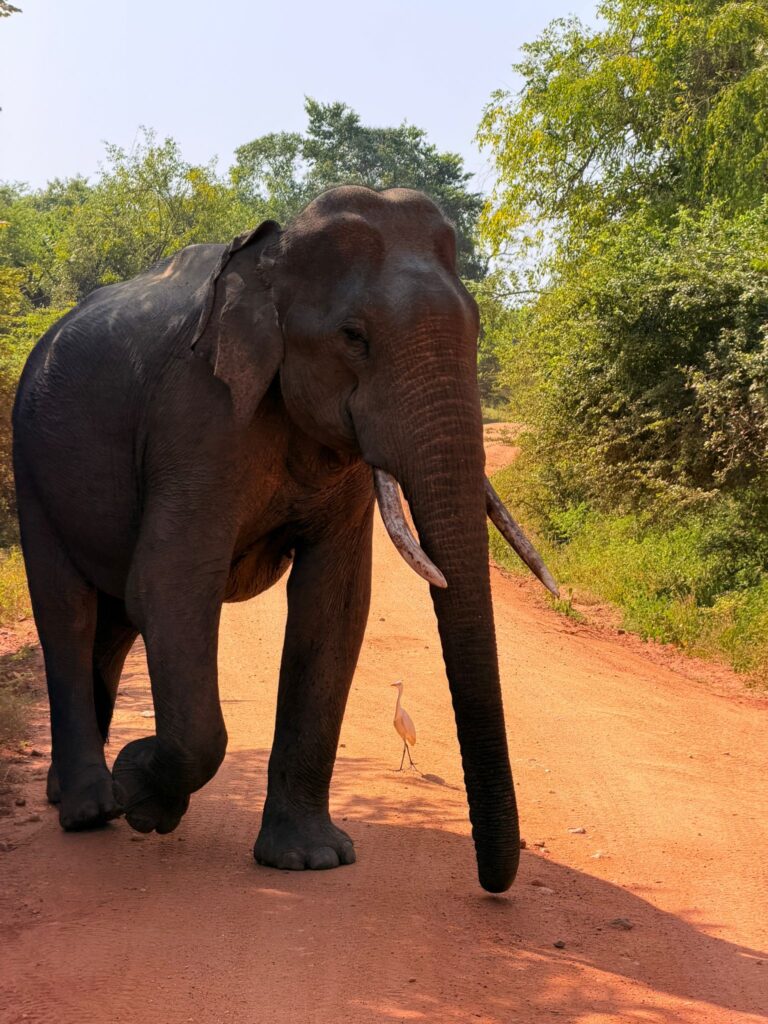
Elephants – Frequently seen in herds
Sloth Bears – Rare but possible sightings
Crocodiles – Found near lagoons and water bodies
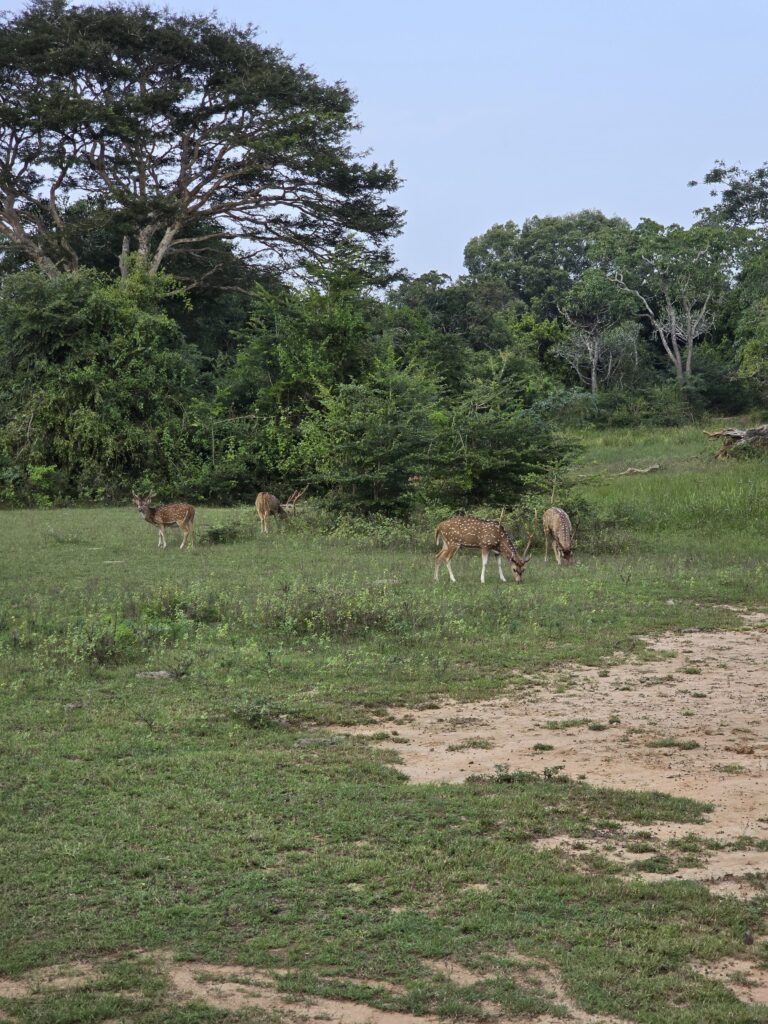
Deer & Wild Boar – Common throughout the park
Birdlife – Over 200 species including peacocks, eagles, and migratory birds
Plant Life (Flora)
Dry zone forests with palu, satinwood, and ebony trees
Thorny shrubs and grasslands
Aquatic plants near lakes and lagoons
“We take you to a place you can’t even imagine.”
Or give us a call:
+94 77 8380 835