
Get your knowladge about Lunugamwehera national park
Lunugamwehera National Park – Complete Visitor Guide
Introduction
Lunugamwehera National Park, declared in 1995, is one of Sri Lanka’s lesser-known yet highly rewarding safari destinations. Located approximately 261 km from Colombo, the park plays a vital ecological role by protecting the catchment of the Lunugamwehera Reservoir and maintaining the downstream wetlands of Bundala National Park. It is also an important wildlife corridor connecting Yala and Udawalawe, making it a key route for elephant migration.
Location & Zone
Lunugamwehera National Park is situated in the Southern and Uva Provinces of Sri Lanka.
Distance from Colombo: approx. 264 km
Nearest town: Tissamaharama
Main entrance: Tanamalwila
Area & Size
Lunugamwehera National Park covers a total area of 23,498 hectares, making it a spacious and less crowded alternative to nearby parks.
Around 3,283 hectares (14%) are covered by the main reservoir
An additional 50 hectares consist of smaller water bodies
This mix of land and water creates an ideal habitat for diverse wildlife and birdlife.
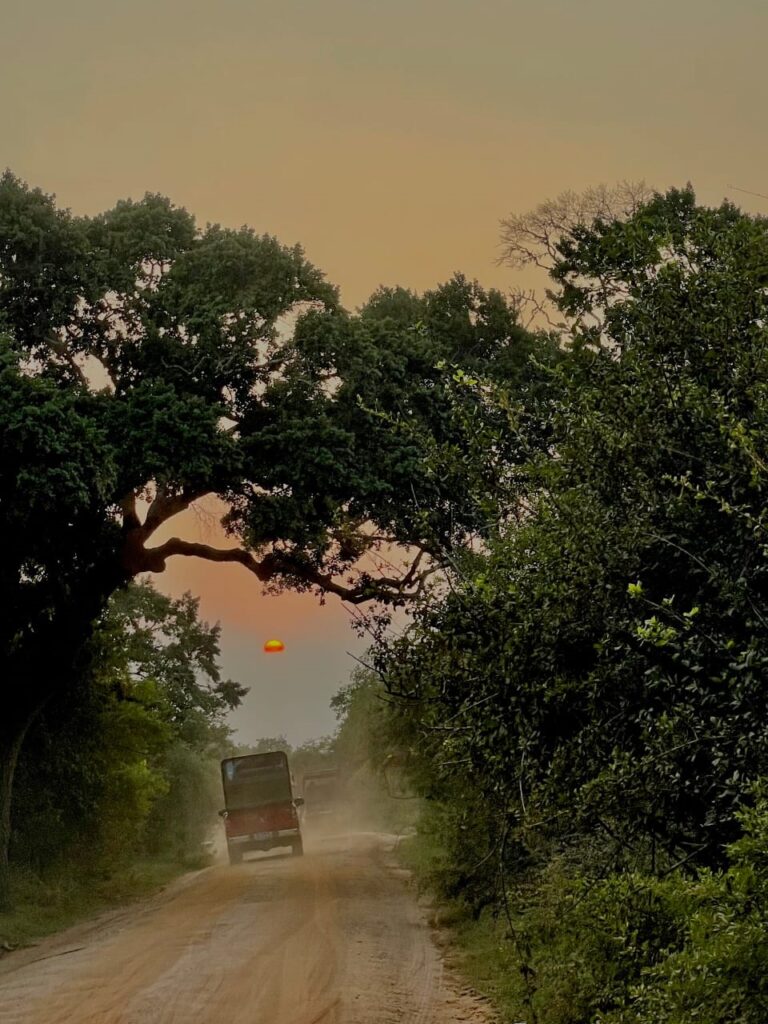
Terrain (Landscape)
Lunugamwehera features a classic dry zone landscape with a beautiful mix of:
Scrub jungle
Open grasslands
Forest patches with multiple vegetation layers
Large reservoir and wetlands
This mosaic terrain provides excellent visibility for wildlife sightings while also offering scenic safari drives. Compared to denser parks, the open areas make animal spotting easier.
Weather Condition
The park lies in Sri Lanka’s dry zone, with generally warm conditions throughout the year.
Average temperature: around 26- 32°C
Annual rainfall: approximately 1,000 mm (mainly from monsoon rains)
Experiences seasonal droughts, especially in dry months
The climate is typically hot and dry, but water sources within the park attract animals, especially during drought periods.
Dry Season: May to September (hot and dry)
Rainy Season: October to January (inter-monsoon rains)
Humidity: Moderate to high
Early mornings and late afternoons are cooler and ideal for safari activities.
Best Time for Safari
Best Months:
May to September – Dry season, excellent for wildlife viewing as animals gather around water sources
December to March – Good for birdwatching, especially migratory birs
Best Time of Day:
Early Morning (6:00 AM – 9:30 AM) → Best for elephants, deer, and active wildlife
Late Afternoon (3:30 PM – 6:30 PM) → Ideal for birdlife and predators
Dry season safaris offer the highest chances of spotting elephants and large mammals due to limited water availability.
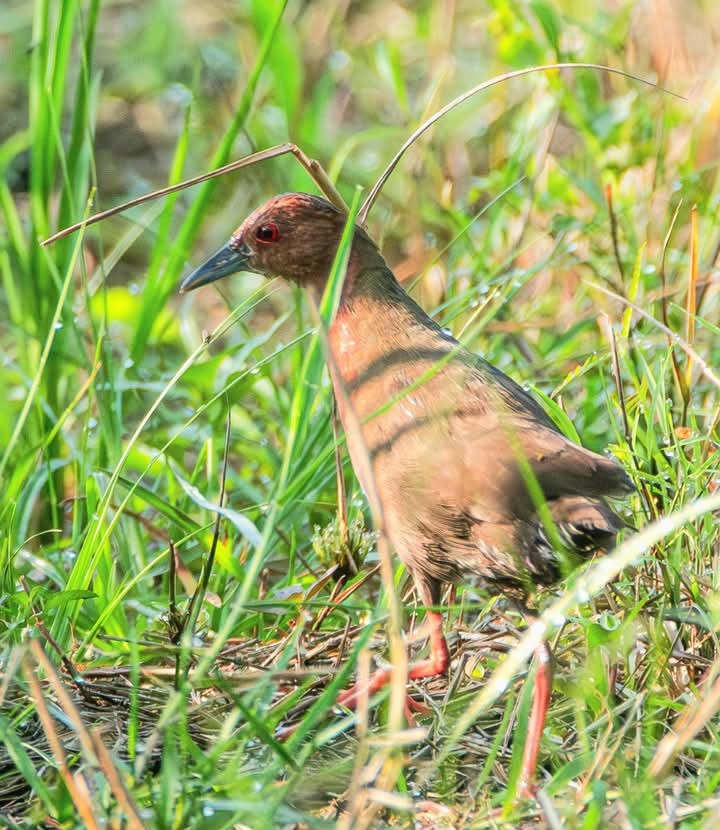
Flora
Lunugamwehera National Park is located within Sri Lanka’s dry zone, and its vegetation is mainly composed of dry mixed evergreen forest. The park plays an important ecological role as a catchment area for the Lunugamwehera reservoir, supporting diverse plant life adapted to dry conditions.
The dominant vegetation includes species such as Weera (Drypetes sepiaria), Palu (Manilkara hexandra), Milla (Vitex pinnata), and Satin (Chloroxylon swietenia). These trees are well adapted to long dry periods and poor soils.
The park also contains:
Scrublands and grasslands, which provide feeding grounds for herbivores
Riverine vegetation along waterways and tank edges
Aquatic plants in the reservoir and seasonal tanks
During the dry season, much of the vegetation becomes sparse, but it regenerates quickly with rainfall, creating a dynamic ecosystem.
Fauna
Lunugamwehera is rich in wildlife and serves as an important habitat and migration corridor for animals moving between Yala National Park and Udawalawe National Park.
Mammals
The park is well known for its population of:
Asian Elephants (commonly seen, especially near water sources)
Leopards (present but less frequently spotted compared to Yala)
Sloth Bears (rare sightings)
Spotted Deer, Sambar Deer, and Wild Buffalo
Wild Boar, Grey Langur, and Toque Macaque
Birdlife
Lunugamwehera is a good destination for birdwatching, with both resident and migratory species, including:
Peacocks (very common)
Eagles and other raptors
Storks, herons, and egrets around water bodies
Waterfowl during migratory seasons
Reptiles and Amphibians
The park also supports a variety of reptiles such as:
Mugger Crocodiles
Monitor Lizards
Snakes, including both non-venomous and venomous species
“We take you to a place you can’t even imagine.”
Or give us a call:
+94 77 8380 835